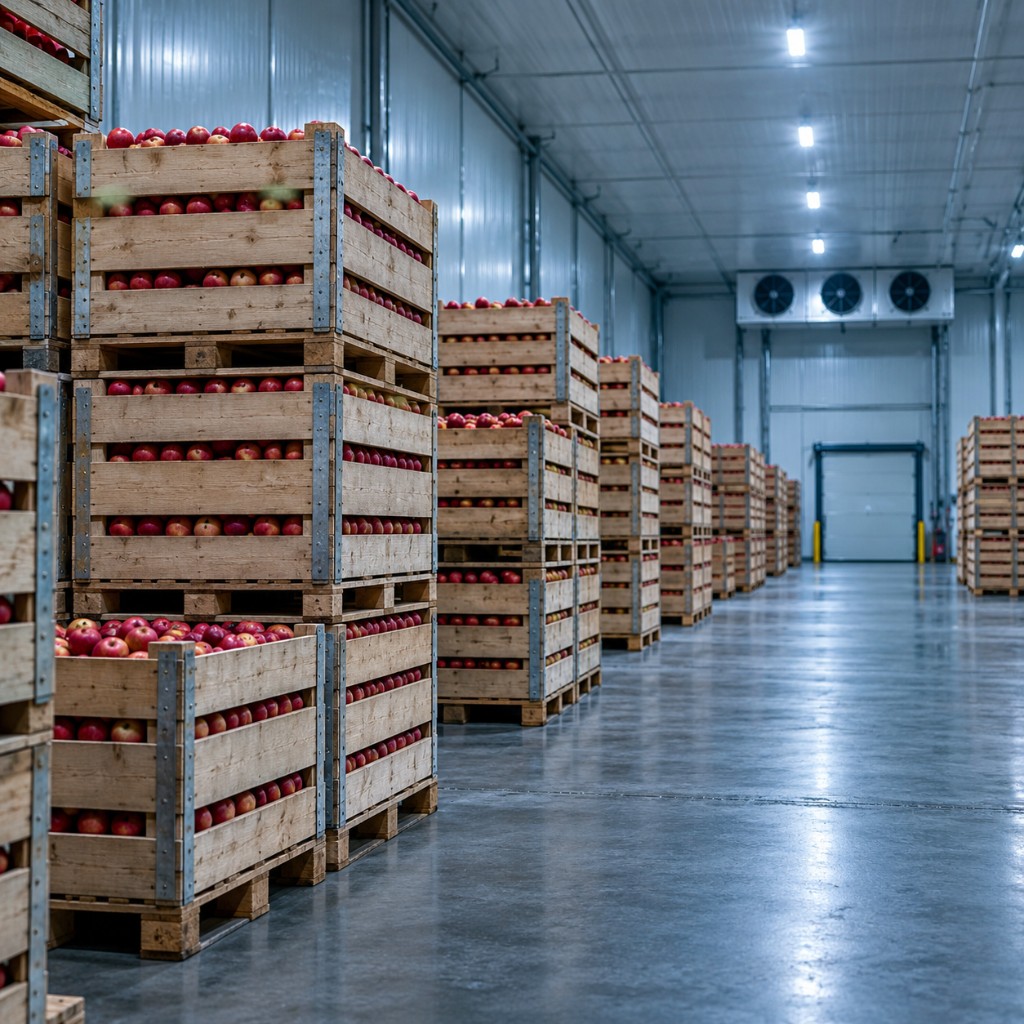
A cold store is the link between the harvest and the market: it lets growers sell fruit and vegetables later rather than at the seasonal peak, when prices are lowest — both at home and for export. But a cold store only pays off with high utilisation, and that is exactly what the business plan has to prove.
Short answer: A cold storage business plan in Azerbaijan has to justify capacity and location — close to production areas and export routes — calculate energy as the main operating cost and show month-by-month utilisation. Payback usually rests not only on storage but also on services for farmers and exporters: sorting, grading and packing.
Why is cold storage in demand?
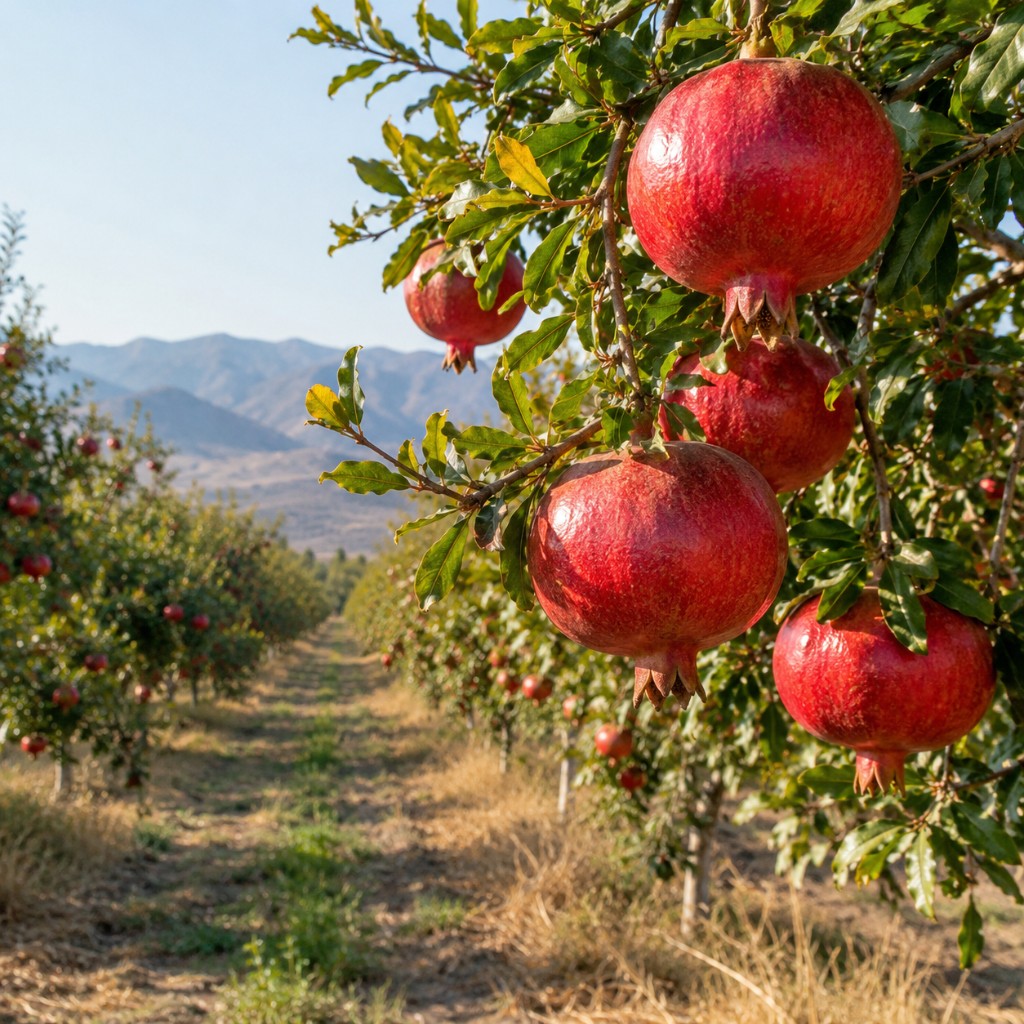
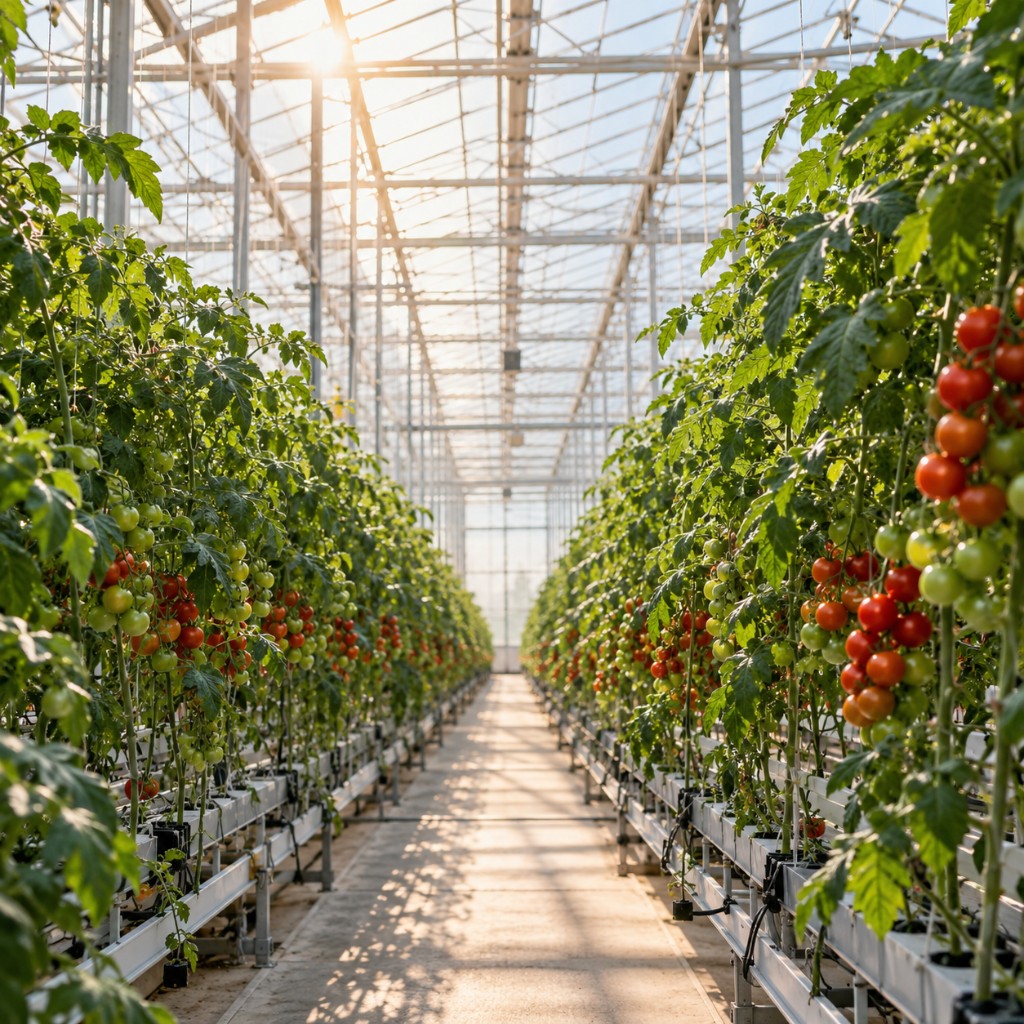
According to the State Statistics Committee, Azerbaijan harvested around 1.394 million tonnes of fruit and berries in 2025 (5.8% more than a year earlier) and around 1.769 million tonnes of vegetables. Most of the harvest comes in a short season, while export buyers expect consistent lots of uniform quality all year round — impossible without a cold chain and post-harvest handling. The 2026–2030 State Programme emphasises processing and export-oriented production, which also means demand for infrastructure that preserves the harvest.
How do you choose capacity and location?
| Parameter | What the business plan defines |
|---|---|
| Capacity | Volume in tonnes, number of chambers, mix of conventional cooling and controlled atmosphere |
| Location | Proximity to orchards and fields, main roads and border crossings on export routes |
| Products | Which crops are stored in which months, compatibility of temperature regimes |
| Infrastructure | Power supply and back-up capacity, truck access, sorting area |
| Business model | Fee-based storage, own buying and selling, or a mixed model |
| Financial model | Capex, monthly energy use, storage tariffs, utilisation, payback |
What drives costs and revenue?
The main operating cost is electricity for refrigeration, with consumption peaking in the hot months. The model also accounts for:
- Staff, servicing and repair of refrigeration equipment.
- Packaging, crates and consumables for sorting.
- Insurance of the stored produce and the facility.
- Food safety requirements overseen by the Azerbaijan Food Safety Agency (AQTA).
- International certification for export (HACCP, BRCGS, GLOBALG.A.P.): the new 2026 subsidy mechanisms support the cost of obtaining it.
Revenue usually comes from storage fees (per tonne per month), sorting, grading and packing services and, in a mixed model, the margin on own trading.
How do you keep the store full all year?
Seasonality is the main risk: chambers are full at harvest peak but may stand empty in spring and early summer. The risk is reduced by choosing crops with different harvest and storage windows, long-term contracts with farmers and exporters, and extra services — pre-cooling, cross-docking and packing to buyer specifications. The financial model should show utilisation by month, not a yearly average.
— SME: In cold storage projects, the bank’s first question is whose produce will be stored. We back the model with preliminary agreements with farmers and exporters and calculate energy costs month by month, including the summer peak — so utilisation and the cost of storage look realistic.
Frequently asked questions
What capacity should a first cold store have?
It depends on the volume of produce within delivery range and confirmed demand for storage. Cold stores are often built in phases: some chambers first, then expansion.
Where is the best place to build?
Close to the main fruit and vegetable production areas with easy access to export routes. A reliable power supply is essential.
Can the business earn from storage fees alone?
Yes, but a mixed model — storage plus sorting, packing or own trading — usually makes revenue more resilient.
How long does it take to prepare the business plan?
It depends on scale and how ready the inputs are: site, storage technology, refrigeration equipment quotes, preliminary agreements with produce suppliers.
This article is for general information and does not replace individual advice. Financing terms, subsidies and requirements can change — confirm current conditions or talk to SME.
Planning a cold store? Get a business plan built for banks, AKİA and investors from SME.
Full overview: Business Plans for Azerbaijan: What Investors and Banks Expect
Sources
Interfax, 20.01.2026 (citing the State Statistics Committee of Azerbaijan) — 2025 fruit, berry and vegetable production.
Center for Analysis of Economic Reforms and Communication — ereforms.gov.az, 07.09.2026 — the 2026–2030 State Programme and certification subsidies (HACCP, BRCGS, GLOBALG.A.P. and others).
Azerbaijan Food Safety Agency — afsa.gov.az.
Last reviewed: October 2026.